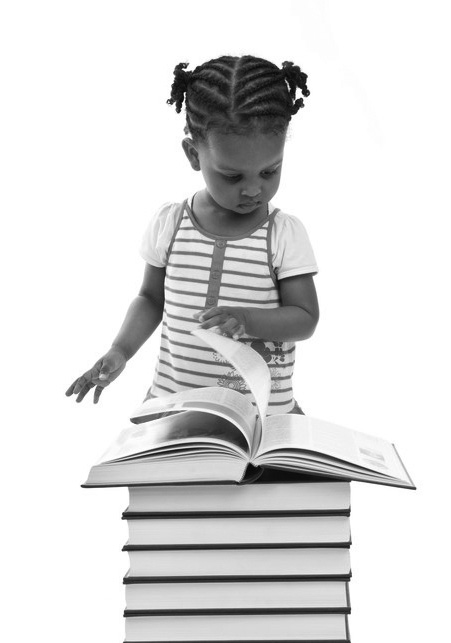
Developmental Milestones Enjoys playmates and will begin to play cooperatively with others. It is normal to have imaginary friends. Speech is almost always understandable. Can usually count from one to 10. Can walk on tiptoes, climb a ladder, and ride...
Developmental Milestones Playmates are important at this age. Asks an excessive number of questions. More than 50 percent of your child’s speech is clear enough to be understood. Begins to recognize gender differences. Names pictures in a book. Knows own...
Developmental Milestones Enjoys playing with friends. Does not share well. Asks frequent questions. May have a vocabulary of 50 or more words. Climbs up steps holding on for support. Jumps off the floor with both feet. Opens doors. Kicks a...
Developmental Milestones Pulls to stand up. Crawls rapidly. Seats self on floor. Holds onto furniture or walks alone unsteadily. Explores new objects by banging them together. May be able to drink from a cup. Waves goodbye. Feeds self. Plays social...
Developmental Milestones Recognizes familiar faces. Likes to play with others. Responds to other people’s emotions. Likes to look at self in a mirror. Strings vowels together when babbling. Responds to own name. Makes sounds to show joy and displeasure. Begins...
Developmental Milestones Begins to smile and show pleasure in interactions with parents. Begins to grasp a parent’s finger or rattle. Coos, gurgles, and makes throaty noises. Turns head towards sounds. Begins to pay attention to faces. Begins to follow things...
Developmental Milestones Begins to recognize familiar voices. Reacts to sounds by blinking, crying, or startling. Can lift head briefly while lying on stomach. Crying or fussing signals a need, such as being hungry, tired, hot or cold, having a dirty...
Anticipar y Planificar. Los padres pueden crear entornos y experiencias seguras para sus hijos al intentar imaginar situaciones desde el punto de vista del niño y anticipar lo que el niño es probable que haga. Por ejemplo, antes de enviar...
Reflejar los sentimientos es simplemente imitar los sentimientos que expresa un niño para que se sienta entendido y respetado. Cuando reflejas los sentimientos, les muestras a otros que estás escuchando sus sentimientos. No criticas, das tu opinión, das un consejo...